All Certification Services
Select a category below to explore the full range of certification and compliance services provided by FGMS.
LICENCE/CERTIFICATION

BIS (ISI Mark) For Foreign Manufacturers (FMCS)
The Foreign Manufacturers Certification Scheme (FMCS) enables overseas manufacturers to obtain the BIS ISI Mark for products sold in India. The process requires an Authorised Indian Representative, factory audit, and sample testing with a typical timeline of approximately six months.
Domestic Product Certification (ISI Mark)
The BIS Product Certification Scheme allows Indian manufacturers to use the ISI Mark on products complying with applicable Indian Standards. Mandatory for 150+ categories, the licence requires a factory audit, sample testing, and in-house testing facilities.
BIS Scheme X Certification
BIS Scheme X allows overseas manufacturers to certify products against Indian Standards using test reports from internationally accredited laboratories, streamlining the certification process for companies that already hold recognised global quality marks.
BIS Certificate of Conformity (CoC)
The BIS Certificate of Conformity (CoC) certifies that imported goods conform to applicable Indian Standards. Issued for consignment-based imports, the CoC is accepted by customs as proof of compliance with BIS requirements and Quality Control Orders.
BIS Hallmarking
BIS Hallmarking certifies the purity of gold and silver jewellery under Indian Standards. Mandatory for all gold jewellery retailers since June 2021, each hallmarked article carries the BIS logo, a purity code, and a unique HUID alphanumeric identifier.
BIS Licence For Toys
All toys for children under 14 must carry the BIS ISI Mark under the Toys (Quality Control) Order 2020. Domestic manufacturers and importers alike must obtain separate BIS licences for Non-Electric Toys (IS 9873) and Electric Toys (IS 15644).
REACH Certification - India (Chemical Management)
India's Chemical Management & Safety Rules (CMSR) require manufacturers and importers of industrial chemicals to register substances, prepare GHS-compliant Safety Data Sheets, and obtain authorisation for priority chemicals. The framework closely mirrors the EU REACH regulation in structure and scope.
CDSCO Licence (Drug & Medical Device)
Cosmetics imported into India require CDSCO licensing under the Drugs and Cosmetics Act 1940. Applications are submitted through the Sugam portal; import licences are valid for five years with fees structured by product category, manufacturing site, and number of product variants.
ECOMARK Certification
The ECOMARK certification from BIS is a voluntary quality and environmental label for consumer products that meet prescribed ecological standards. Covering 20+ categories including textiles, electronics, and packaging, licences are initially valid for one year and renewable for two-year terms.

Laboratory Recognition Scheme (LRS)
The BIS Laboratory Recognition Scheme (LRS) accredits testing laboratories to perform conformity testing for BIS certification schemes. Eligible laboratories must hold IS/ISO/IEC 17025 accreditation from an ILAC/APAC-member body; recognition is valid for three years.
World Manufacturer Identifier (WMI) Code
A World Manufacturer Identifier (WMI) is the first three characters of a Vehicle Identification Number (VIN), uniquely identifying the vehicle manufacturer. WMI codes are assigned by SAE International and coordinated in India by BIS; all Indian vehicle manufacturers are required to obtain a WMI under the Central Motor Vehicles Rules.
TAC Approval For Automobile
Type Approval Certification (TAC) is mandatory for automotive components under the Central Motor Vehicles Rules 1989. ARAI conducts product testing and factory audits; approval takes approximately one month for domestic manufacturers and two months for overseas manufacturers.
PESO Certification
PESO certification is required for manufacturers and importers of pressure vessels, gas cylinders, petroleum equipment, and explosives in India. The 90–100 day process requires ATEX/IECEx certificates, recent test reports, and an Authorised Indian Representative engaged for a minimum of five years.
SASO Certification (Saudi Arabia)
SASO certification is mandatory for products exported to Saudi Arabia, requiring registration on the SABER platform and a Product Certificate of Conformity from an approved Conformity Assessment Body. Testing must be conducted at a SASO-approved laboratory against applicable Saudi Standards.
CDSCO Drug Licence
Drug licences under the Drugs & Cosmetics Act 1940 are mandatory for retail pharmacies, wholesale distributors, manufacturers, and importers of pharmaceutical products. Issued by CDSCO (central) or SDSCO (state), licences are valid for five years with a 30 working day processing time.
REGISTRATION
BIS (CRS) Registration For Electronic Products
The BIS Compulsory Registration Scheme (CRS) mandates quality certification for 79+ electronics and IT product categories sold in India. Registration is based on self-declaration supported by a valid laboratory test report; no factory audit is required, and the certificate is granted within approximately 20 working days.
WPC-ETA Approval (Wireless Products)
WPC Equipment Type Approval (ETA) is mandatory for all wireless devices sold or imported in India. Applications are submitted through the Saral Sanchar portal with RF test reports from an NABL/ILAC-accredited laboratory; eligible device categories may qualify for simplified Self-Declaration ETA.
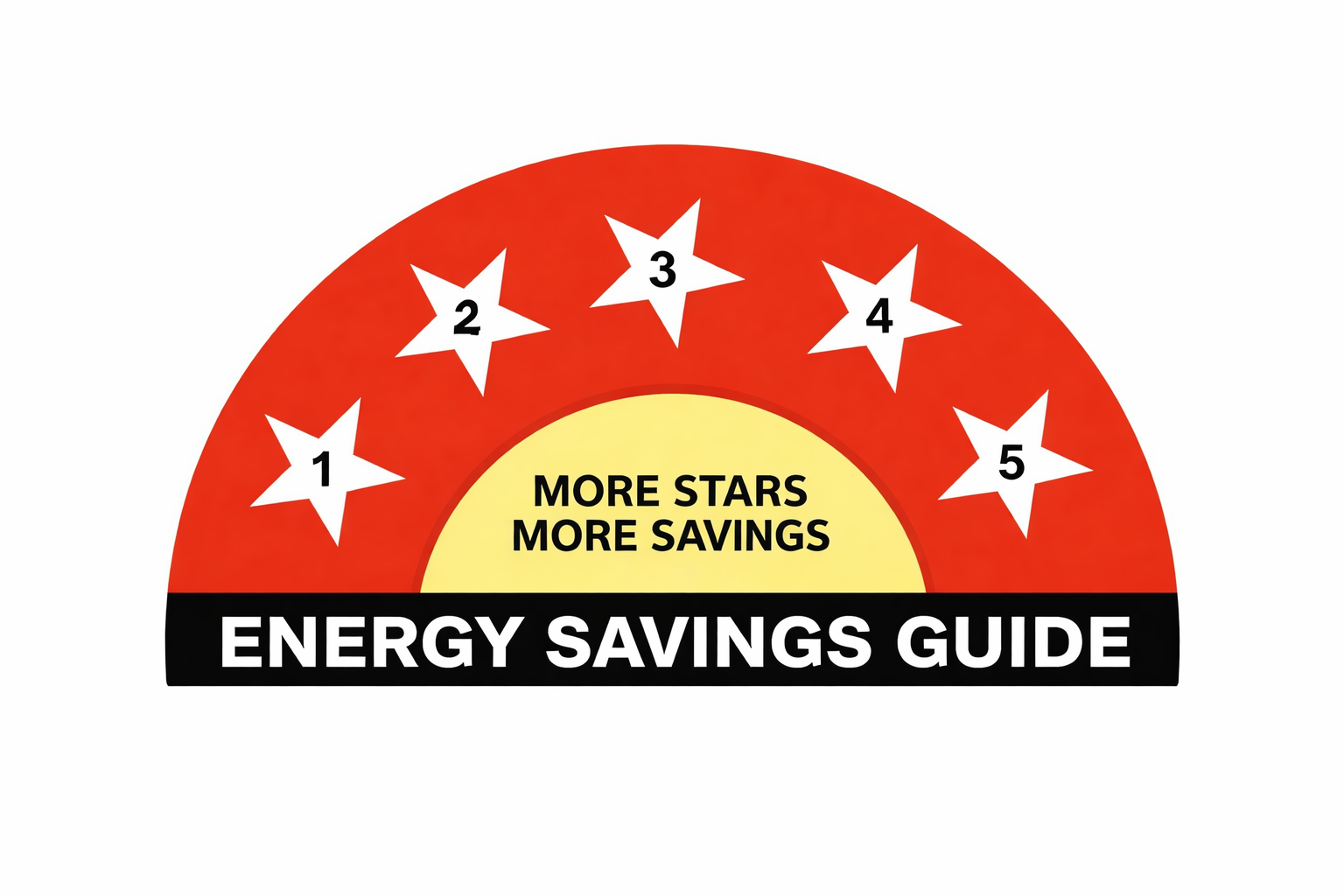
BEE Star Rating Certification
BEE Star Rating certification indicates the energy efficiency of electrical appliances on a 1–5 star scale. Mandatory for 10 appliance categories including air conditioners and refrigerators, the certification requires testing at a BEE-empanelled laboratory followed by brand and model registration.
E-Waste Management (EPR)
E-Waste EPR registration under the E-Waste (Management) Rules 2022 is mandatory for producers, importers, and brand owners of electronic products. Registered entities must meet annual collection targets through CPCB-authorised recyclers; the authorisation is valid for five years.
EPR Registration - Plastic Waste Management
Plastic Waste EPR registration under the Plastic Waste Management Rules 2022 is compulsory for producers, importers, and brand owners using plastic packaging. Entities must register with CPCB and meet annual recycling targets by purchasing EPR certificates from authorised plastic waste recyclers.
EPR Registration - Battery Waste Management
EPR registration for battery waste under the Battery Waste Management Rules 2022 is mandatory for all manufacturers, importers, and refurbishers of batteries in India. Entities must meet annual collection targets with CPCB-authorised recyclers and report compliance on a quarterly and annual basis.
EPR Registration - Used Oil Management
Used oil management under the Hazardous and Other Wastes Rules 2016 requires generators and handlers of waste lubricating oil to obtain State Pollution Control Board authorisation and channel used oil only to registered re-refiners. Annual compliance reporting and waste manifest maintenance are mandatory.
Legal Metrology - LMPC Registration
The Legal Metrology Act 2009 mandates LMPC registration for importers, manufacturers, and packers of pre-packaged commodities sold in India. Pre-packaged products must clearly display net quantity, MRP, manufacturer details, and country of origin; PCR Rule 27 covering food, electronics, and consumer goods is the primary compliance driver.
TEC / MTCTE Approval
MTCTE approval from TEC is mandatory for all telecom equipment sold or imported in India under the Indian Telegraph (Amendment) Rules 2017. The approval covers mobile devices, routers, Wi-Fi access points, and more with fees from ₹60,000 to ₹4,50,000 and a typical 60-day timeline.
CE Certification (Europe)
The CE Mark is mandatory for products sold in the European market, demonstrating compliance with EU safety, health, and environmental directives. Products are either self-certified or assessed by an EU Notified Body depending on risk category; a Technical Dossier and EU Declaration of Conformity are required.

UL Certification (USA)
UL Certification from Underwriters Laboratories independently verifies product safety for US and international markets. Approximately 14 billion UL-marked products are sold annually; the process requires product testing against UL standards, a factory audit, and annual follow-up surveillance inspections.
RoHS Licence (Restriction of Hazardous Substances)
RoHS compliance is mandatory for electrical and electronic equipment sold in the EU, restricting lead, mercury, cadmium, hexavalent chromium, PBB, and PBDE below specified thresholds. Compliance requires material testing, supplier documentation, and an EU Declaration of Conformity valid for five years.

Drone Registration (UAS)
Under India's Drone Rules 2021, all drones in the Micro category and above must obtain a Unique Identification Number (UIN) through the DGCA's Digital Sky portal. Commercial drone operations additionally require a Remote Pilot Certificate (RPC) and DGCA type certification prior to deployment.
MoEF Licence (Environment Clearance)
Environmental Clearance from MoEF&CC is mandatory for large-scale industrial and infrastructure projects under the EIA Notification 2006. Category A projects are appraised nationally by MoEF&CC while Category B projects are handled by State Environmental Impact Assessment Authorities (SEIAA).
AUXILIARY
Standardization (Scientific) Division
The Standardization (Scientific) Division collaborates with BIS to formulate, develop, and revise National Standards across 15 industry sectors. The structured six-stage development process covers industries from chemicals and electronics to textiles, transport, and medical equipment.
Training Services - National & International
The Training Services division offers nine professional development programmes covering quality management systems, laboratory accreditation, environmental and OH&S management, and standards development. Courses range from 2 to 8 weeks and target management personnel, auditors, laboratory staff, and technical engineers.
Import / Export Licence (IEC)
IEC (Import Export Code) is a mandatory lifetime 10-digit registration from DGFT required for all commercial import and export activity in India. The code enables customs clearance, foreign currency transactions, and access to DGFT export incentive schemes; applications are processed within 10–15 working days.

Brand Representation
Brand Representation services assist overseas manufacturers in establishing a regulatory and commercial footprint in India through compliance certifications, registered office setup, and market facilitation. A three-phase approach — Assessment, Planning, and Delivery — ensures a consistent and compliant brand presence.
Laboratory Equipment and Setup
The Laboratory Equipment and Setup division provides scientific instruments, testing equipment, and educational lab kits designed to IS/ISO/IEC 17025 standards. All products are sourced from quality-certified manufacturers and backed by in-house R&D support to meet individual client testing and accreditation needs.
Trademark Registration
Trademark registration under India's Trade Marks Act 1999 grants exclusive rights to a word, logo, or design identifying goods or services across 45 international classes. Applications are filed within 2–3 working days; full registration through the Trade Marks Registry typically takes 18–24 months.

Make In India Support
Make in India, launched in 2014, is India's initiative to develop manufacturing across 27 sectors and attract investment. Key compliance mechanisms are the Make in India logo permission from DPIIT and the Local Content Self-Certification (MII Certificate) required for preferential treatment in government procurement on the GeM platform.
AG-Mark Licence (Agricultural Products)
AGMARK is the Government of India's quality certification mark for agricultural commodities, administered by DMI under the Agricultural Produce (Grading and Marking) Act 1937. Covering 222 commodities, it is voluntary for most products but mandatory for edible vegetable oils; licences are valid for 5 years.
Third Party Inspection & Monitoring Services
Third Party Inspection services provide independent conformity assessment of products and manufacturing processes against BIS and international standards. Operating under ISO/IEC 17020:2012, the structured six-stage process concludes with issuance of a Certificate of Conformity and optional ongoing factory and market surveillance.
Collaboration Services
Collaboration Services connect international manufacturers and organisations with expert Indian regulatory partners for compliance management, Authorised Indian Representative (AIR) services, and India market entry support. Engagement models range from AIR contracts for BIS/WPC/TEC schemes to joint ventures and full-spectrum market entry partnerships.
FSSAI Certification (Food Safety)
FSSAI registration or licence is mandatory for all food businesses in India under the Food Safety and Standards Act 2006. Three authorisation types — Basic (small-scale), State (medium-scale), and Central (large/multi-state) — have processing timelines ranging from 7 to 60 days.
MSME / SSI / NSIC Registration
MSME Udyam Registration provides formal government recognition to micro, small, and medium enterprises under the MSMED Act 2006, unlocking subsidies, preferential lending, and government tender advantages. Registration is completed online free of cost with a permanent certificate valid for the enterprise's lifetime.
ISO Registration / Certification
ISO certification demonstrates conformity with internationally recognised management standards such as ISO 9001 (quality), ISO 14001 (environmental), and ISO 45001 (occupational health). Certification is awarded by independent accredited bodies after a two-stage audit process and maintained through annual surveillance audits.